
Learn how local kitchen renovations by trusted professionals improve design quality, meet code requirements, control costs, and increase home value.
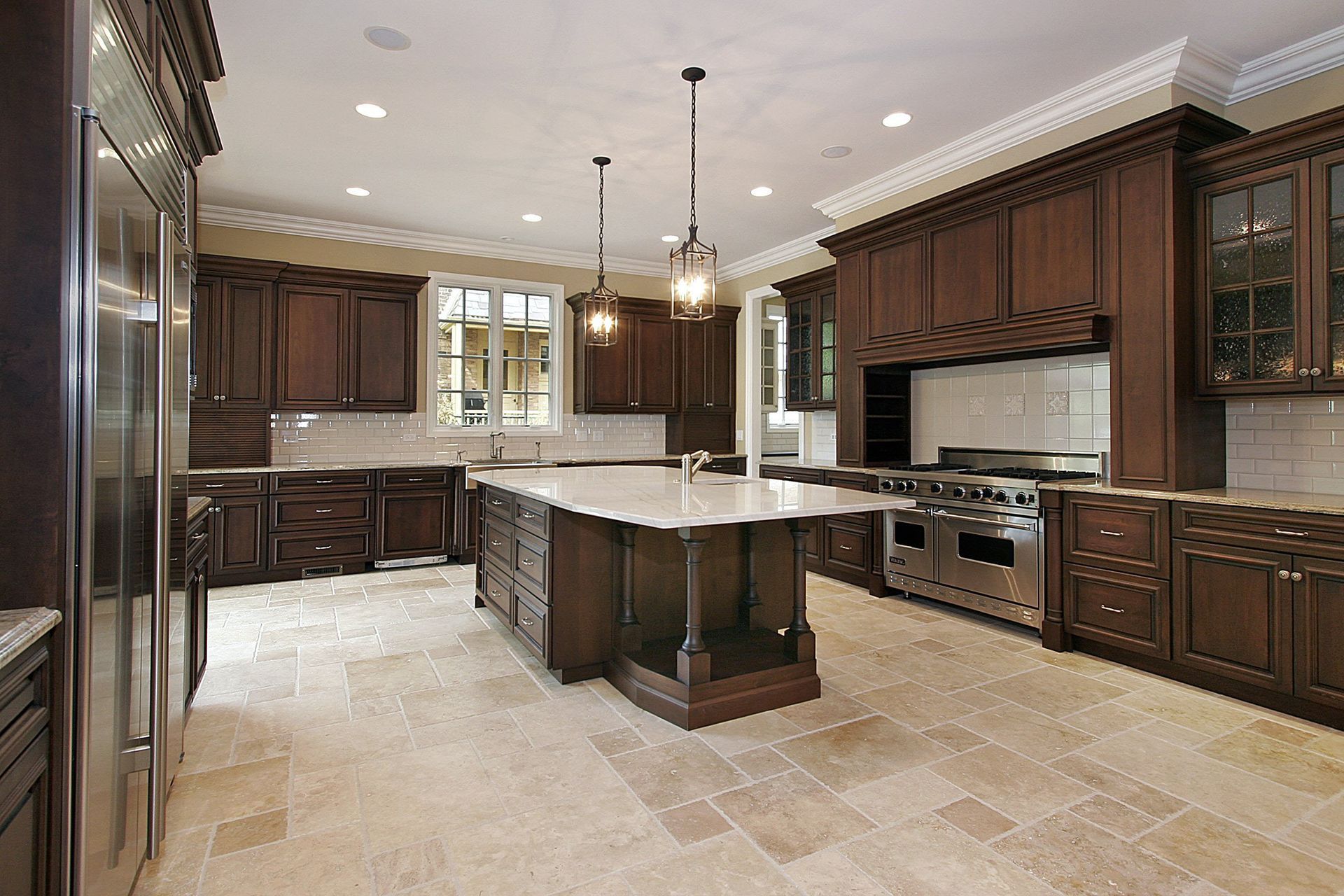
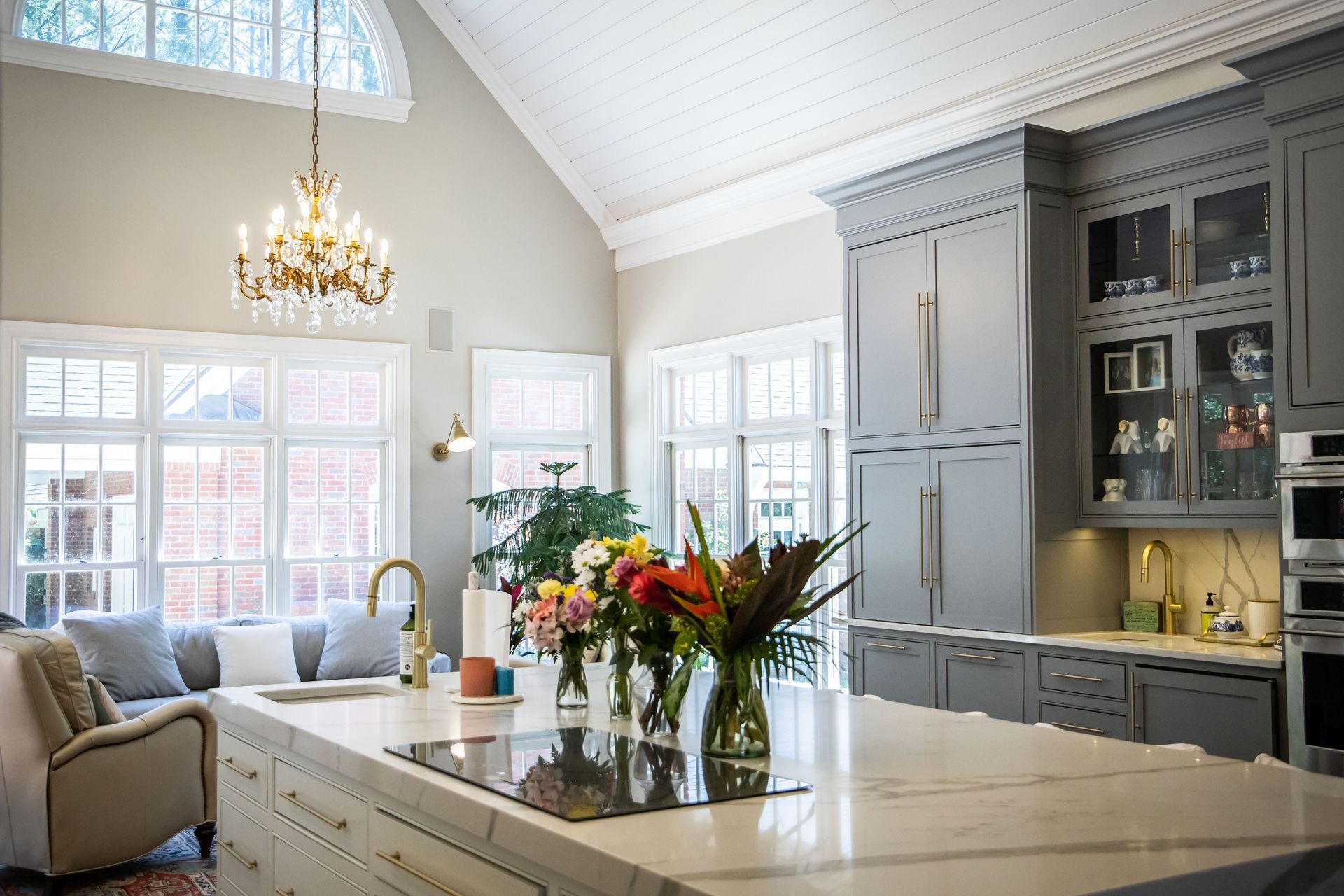
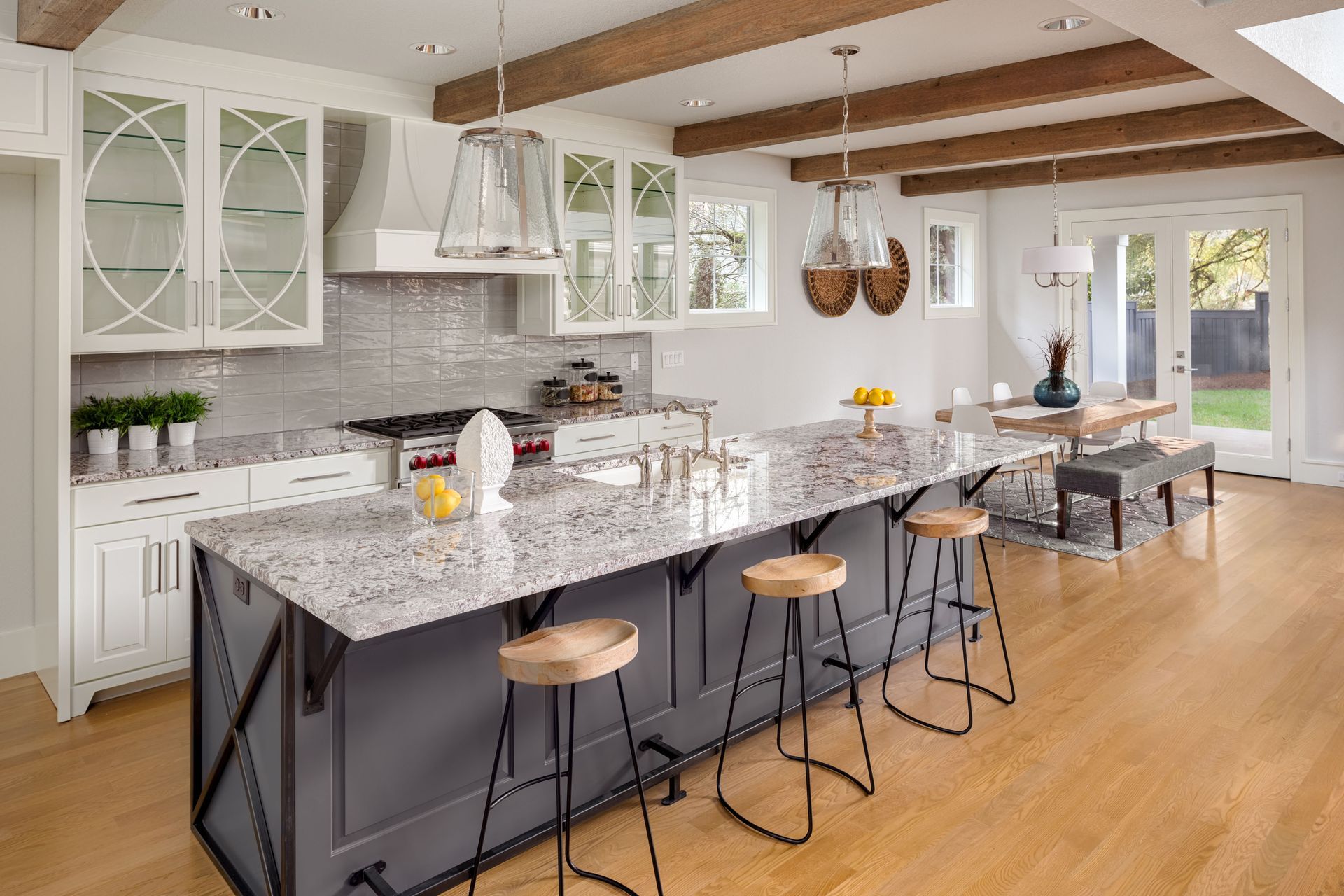
In today's real estate market, a well-renovated kitchen can significantly elevate the overall value of a home. A kitchen is no longer just a place to cook—it has become the centerpiece of family life, entertainment, and social connection. As a result, homebuyers place tremendous importance on how this space looks and functions. For homeowners, this makes strategic kitchen renovation choices some of the best investments available, blending daily enjoyment with long-term financial benefit. According to Houzz, Americans renovate their homes every three to five years, undertaking these projects roughly two to three times per decade. That frequency means each decision about materials, designs, and installations should prioritize both lasting value and adaptability to evolving trends. When approached with thoughtful planning, a kitchen renovation can offer both immediate satisfaction and strong returns when the home eventually goes on the market. Updating Countertops Countertops often set the tone for a kitchen, influencing both aesthetics and functionality. Materials like granite, quartz, and marble dominate the market, each with its advantages. Granite offers natural beauty and heat resistance, quartz provides durability with minimal maintenance, and marble delivers elegance, though it requires more upkeep. Because Americans frequently revisit renovations, selecting durable and timeless countertop materials ensures fewer replacements over time. When weighing costs, homeowners must consider both their budget and potential return on investment. High-end materials may elevate visual appeal, but if they exceed the neighborhood’s norm, they may not generate equal resale value. Balancing cost against long-term usability is essential. A carefully chosen countertop not only enhances daily life but also strengthens the marketability of the home. Design decisions should also strike a balance between trendy and timeless. While bold colors and patterns may grab attention, they risk falling out of style quickly. Neutral tones paired with replaceable accents offer flexibility and broader buyer appeal. Thoughtful color coordination with cabinetry, flooring, and wall shades ensures a cohesive, polished look. Finally, professional installation guarantees precise results, protecting both the investment and the kitchen’s overall functionality. Refinishing or Replacing Cabinets Cabinetry represents one of the most visible elements of a kitchen renovation. For cabinets in solid condition, refinishing offers a cost-effective way to refresh the space without full replacement. New paint, stain, or veneer can breathe life into older cabinets, aligning them with updated design choices. However, if cabinets show warping, structural damage, or outdated layouts, replacement may be the better option to meet modern expectations. Material and finish choices also affect both aesthetics and durability. Woods like maple or oak provide long-lasting strength, while laminates and acrylics offer modern appeal with less maintenance. Finish options, whether matte or glossy, can influence both appearance and ease of cleaning. Equally important is maximizing storage capacity. Pull-out racks, corner solutions, and custom inserts transform cabinetry into efficient, clutter-free spaces that buyers value highly. Updating hardware such as handles, knobs, and hinges is another small but impactful upgrade. Modern styles in brushed nickel, matte black, or brass can refresh the entire look at a modest cost. While refinishing might be manageable as a do-it-yourself project, more complex replacements often require professional expertise. A skilled installer ensures precision, functionality, and long-lasting results, protecting the overall investment in the kitchen renovation. Modernizing Appliances Appliances are not only essential for cooking—they also signal a home’s level of modernization. Energy-efficient models reduce utility costs while appealing to eco-conscious buyers. Certifications like Energy Star reassure homeowners and buyers alike that appliances are both sustainable and cost-effective. Smart technology has further transformed kitchens. From app-controlled ovens to refrigerators that track grocery needs, today’s appliances deliver convenience and futuristic appeal. These features often resonate with younger, tech-savvy buyers, positioning the home as forward-thinking. Reliability and brand reputation are also critical. Buyers value appliances from trusted manufacturers with strong warranties, as these reduce concerns about maintenance and replacement. Meanwhile, finishes such as stainless steel and matte black remain enduringly popular, offering sleek looks that blend with various design styles. Professional installation is the final step to ensure safety, warranty protection, and proper alignment. Skipping expert installation risks malfunctions and undermines the investment. Together, these considerations make appliance upgrades one of the most impactful aspects of a kitchen renovation. Enhancing Lighting Lighting shapes both functionality and atmosphere, making it central to successful kitchen renovations. Layered lighting approaches—task, ambient, and accent—allow homeowners to create spaces that are versatile, welcoming, and efficient. Task lighting brightens key work areas, while ambient lighting establishes overall warmth, and accent fixtures highlight design details. Popular fixtures like pendant lights above islands, under-cabinet strips for food preparation, and elegant chandeliers for dining spaces combine utility with style. Choosing high-quality fixtures that align with the kitchen’s overall theme creates cohesion and adds sophistication. Energy efficiency also plays a vital role. LED bulbs and smart lighting systems reduce power consumption while providing customizable options. Homeowners can schedule lighting, adjust brightness, and even change tones, enhancing both sustainability and convenience. Beyond efficiency, lighting strongly influences mood. Adjustable systems allow kitchens to shift seamlessly between vibrant cooking zones and relaxed social spaces. This flexibility aligns with the modern role of kitchens as multifunctional environments where families cook, dine, and gather. Revitalizing Flooring Flooring serves as both a functional foundation and a visual anchor in any kitchen renovation. Material selection should balance durability, style, and budget. Hardwood offers timeless warmth, tile delivers resilience and water resistance, and vinyl provides affordability with versatile designs. Each choice carries trade-offs in maintenance and longevity, making it essential to match material with lifestyle needs. Design trends in color and pattern can dramatically influence the kitchen’s character. Wide-plank wood, checkerboard tiles, or muted neutral tones all create distinctive aesthetics. The goal is to align flooring with cabinetry, countertops, and backsplashes for a cohesive overall design. Installation complexity varies by material, and professional installation often ensures better long-term results. Floors endure heavy use, so durable choices pay dividends in both daily life and resale value. Ultimately, flooring ties together the entire kitchen design, elevating both its function and its visual impact. Innovating With Backsplashes Backsplashes combine practicality with artistry, protecting walls while introducing style. Material options include ceramic for versatility, glass for reflective brightness, and metal for an industrial edge. Each choice allows homeowners to customize the kitchen’s look to their preferences. Current trends showcase bold geometric patterns and vibrant colors, while subtler designs offer timeless elegance. Because a backsplash often becomes a focal point, it represents an opportunity to make a statement without overwhelming the space. A kitchen renovation represents one of the most rewarding investments a homeowner can make. From updated countertops and cabinetry to modern appliances, lighting, flooring, and backsplashes, each upgrade contributes to functionality, style, and long-term home value. By focusing on durability, energy efficiency, smart technology, and cohesive design, homeowners can transform kitchens into spaces that inspire daily life while standing out in competitive real estate markets. A thoughtfully renovated kitchen not only enhances the way we live today but also strengthens the financial foundation for tomorrow. If you are ready to begin your next kitchen renovation , start planning now with a professional at Wood & Art—invest in updates that combine timeless appeal with modern convenience, and create a space that truly works for you and your family. With the right approach, your kitchen can become both a personal haven and a valuable selling point when it’s time to move forward.
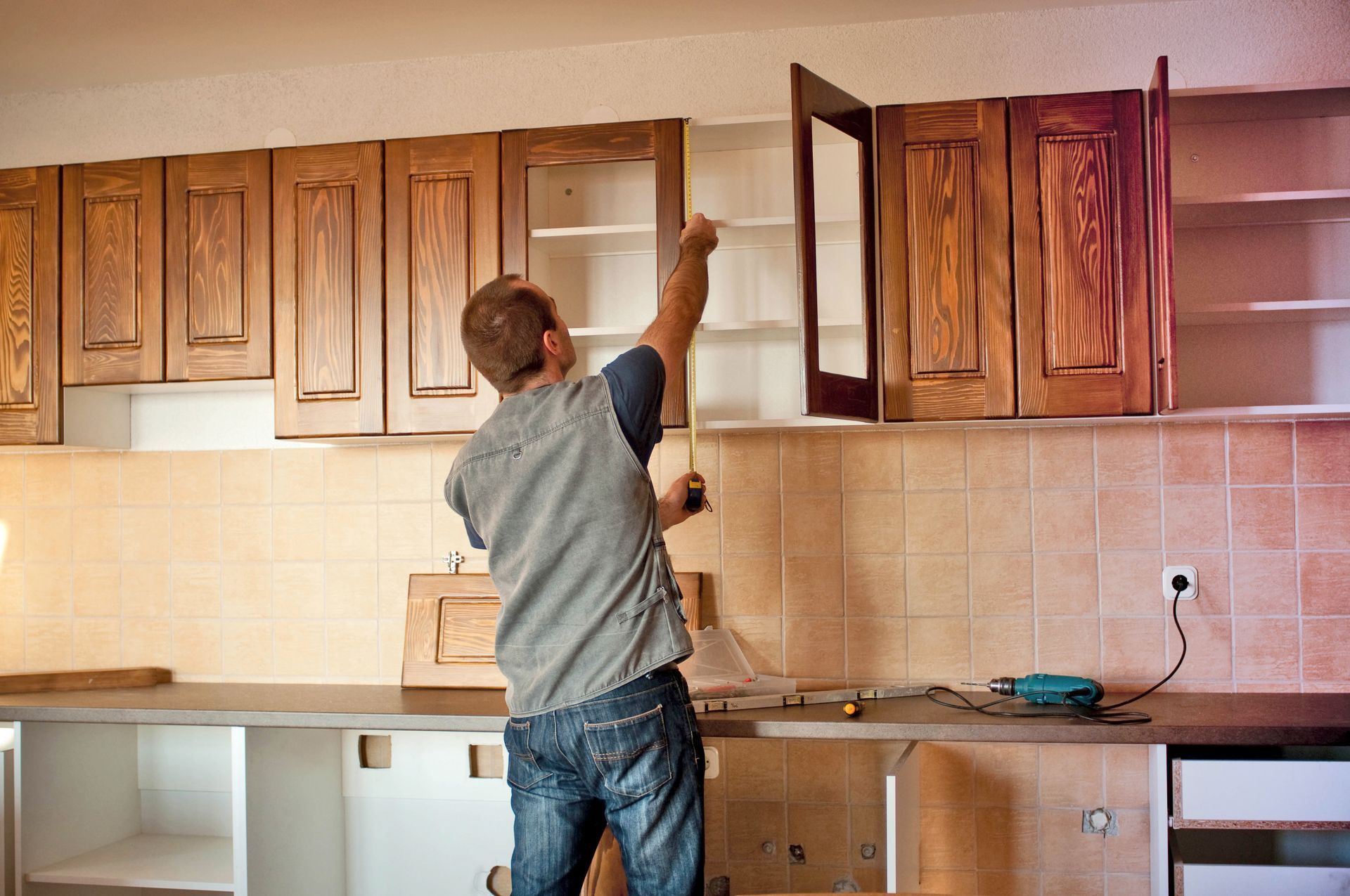
Discover why hiring a professional kitchen renovator is a smart investment for adding value, style, and lasting quality to your home’s most important space.